
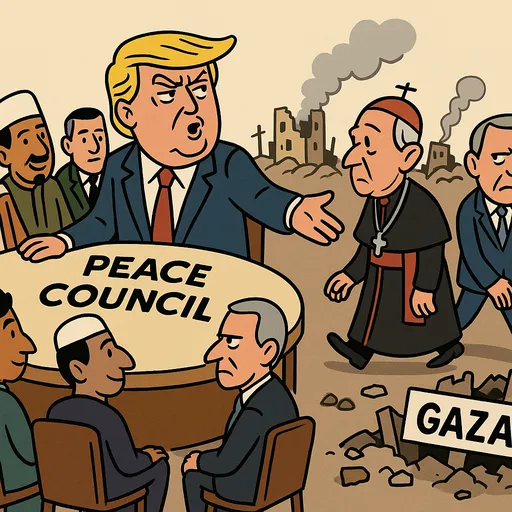
US President Donald Trump has launched the 'Peace Board' and 'Peace Council' initiatives aimed at promoting peace and coordinating reconstruction efforts in Gaza, with pledges exceeding $7 billion from multiple countries and a $10 billion US contribution. The inaugural meetings focused on disarmament, humanitarian aid, and post-conflict governance, though key international actors like the Vatican and the UN have declined participation, raising questions about inclusiveness. Several countries, including Morocco and Uzbekistan, have expressed support and committed resources, while others, such as African nations and Belarus, criticize exclusion or question the initiative's legitimacy. The council's efforts occur amid ongoing regional tensions, including military escalations and geopolitical rivalries, with mixed optimism about the potential for lasting peace. Observers note the diplomatic significance of these initiatives but remain cautious about their practical impact on the ground in Gaza and the broader Middle East.
This cluster includes countries and sources that highlight active participation and financial pledges to the Peace Council and Board of Peace initiatives. They emphasize the substantial monetary contributions, peacekeeping commitments, and diplomatic support aimed at Gaza's reconstruction and regional stability. The perspective is optimistic about the council's potential to foster peace and rebuild Gaza, underscoring cooperation among member states.
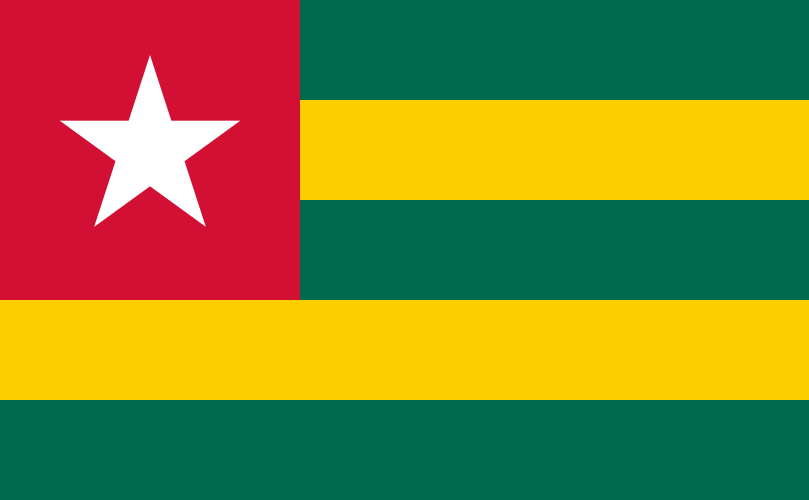
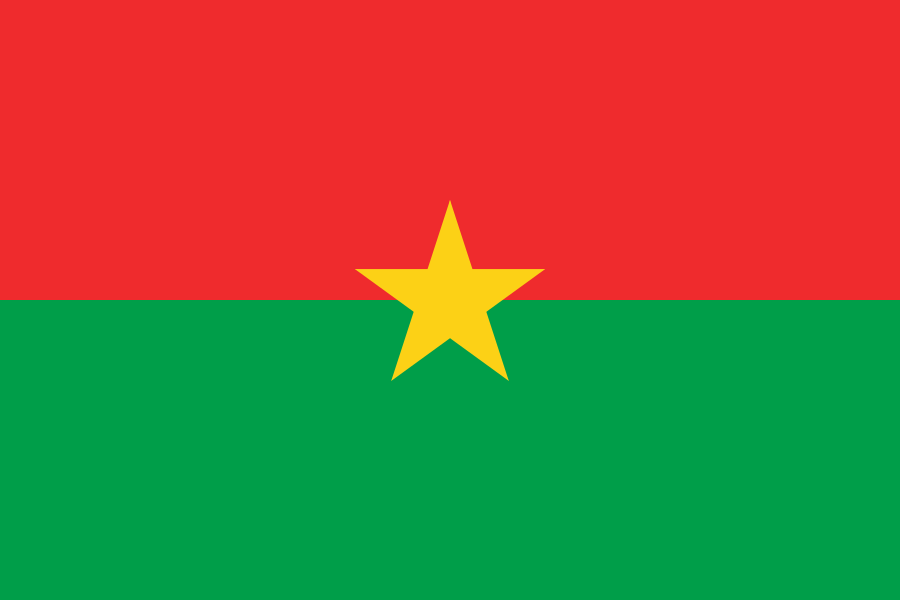
This group reflects skepticism and criticism regarding the Peace Board and Council initiatives, focusing on issues such as the exclusion of African countries, absence of the UN and Vatican, and doubts about the sincerity and effectiveness of the peace efforts. Some articles highlight regional actors feeling marginalized or humiliated, and question whether the initiatives can truly bring peace given ongoing conflicts and political complexities.
This cluster covers articles that discuss the political interactions and implications of the Peace Council meetings, including direct challenges by Trump to leaders like Pakistan's Prime Minister, diplomatic commentary from Romania, and support from Morocco's King. It also includes reflections on the geopolitical context, such as tensions with Iran and the strategic positioning of countries involved in the peace process. The viewpoint centers on the political maneuvering and diplomatic significance surrounding the initiatives.