
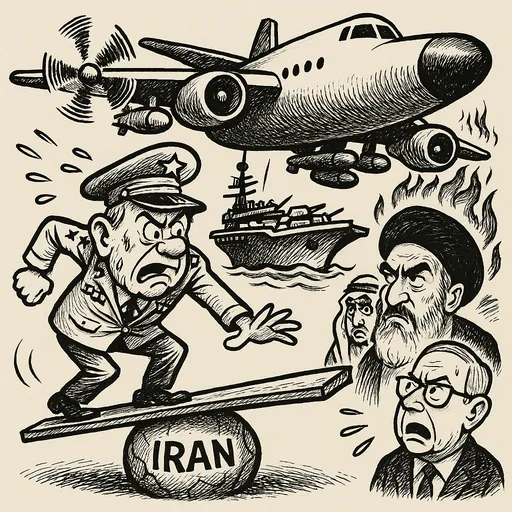
The United States has significantly increased its military presence near Iran, deploying over 150 aircraft and multiple aircraft carriers, marking the largest buildup since the Iraq invasion. This escalation is accompanied by warnings from US military leaders about the high risks and potential heavy casualties of striking Iran, reflecting internal caution despite political pressure. Regional actors and allies, including Israel and Saudi Arabia, express concern over imminent conflict, while Iran warns of regional escalation if attacked. Diplomatic efforts continue alongside military preparations, with some experts viewing the buildup as leverage in negotiations. International responses include embassy evacuations and calls for restraint amid fears of broader instability.
US military officials and generals emphasize the significant risks and potential heavy casualties associated with a strike on Iran. They advocate for caution and highlight the dangers of escalating conflict, despite political pressures within the US administration. This perspective reflects a pragmatic approach prioritizing stability and careful assessment of military options.
The US government, under President Trump, is simultaneously escalating military deployments near Iran and signaling readiness for possible military action while maintaining a rhetoric of diplomacy first. This dual approach aims to pressure Iran through visible military strength and strategic positioning, including deployments in Israel, Lebanon, and the Middle East, to deter Iranian aggression and prepare for potential conflict.
Regional actors and international observers express alarm over the heightened tensions and military buildup. Israeli officials warn of imminent US strikes, while Iranian and allied factions caution against military adventures and warn of regional escalation. Other countries, such as South Korea, respond by urging evacuations, reflecting widespread concern about the potential for broader conflict and instability.