
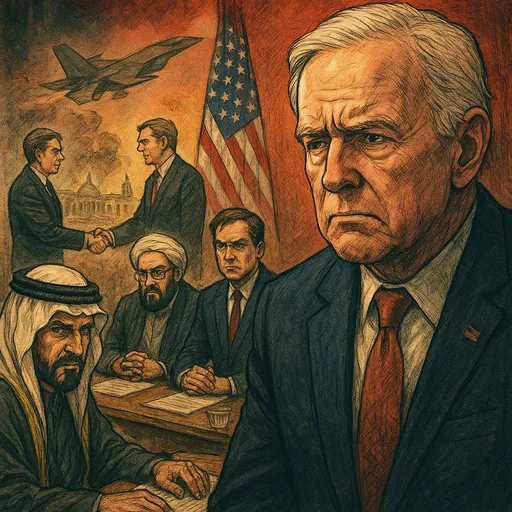
Across reporting, US diplomacy is shown to depend heavily on allied cooperation even as fractures emerge over policy, burden-sharing and political interventions. The Iran-related crisis and Gaza reconstruction tests alliance cohesion, with Washington mediating talks while also pressuring or criticizing partners over perceived insufficient support. Simultaneously, persistent bilateral ties and ceremonial diplomacy — from defense sales to state visits — sustain practical cooperation where multilateral unity wavers. Funding shortfalls, aid cuts and high-profile endorsements in foreign elections underscore how US domestic politics and policy choices complicate relations with allies and regional mediators.
Reporting emphasizes strong US involvement as mediator between Israel, Lebanon and other regional actors, reflecting close coordination with Israel but also revealing limits and tensions in that alignment. Coverage highlights ceasefire talks, US-brokered direct meetings and debates over how far Washington and Jerusalem will push military or diplomatic options.
Several pieces focus on financial strains undermining US-led reconstruction and peace initiatives, noting cash crunches and disputes over whether promised funds have materialized. The coverage underscores how funding gaps constrain diplomatic plans and the credibility of US-backed initiatives.
European sources reflect concern and frustration as US leaders publicly criticize NATO, threaten troop repositioning or punitive measures, and question allied burden-sharing. Debates center on whether alliance institutions can withstand political pressure and legal constraints on unilateral US actions.
Coverage from multiple countries highlights alarm about US political interventions or endorsements in Hungary’s election, portraying them as disruptive to EU unity and raising questions about appropriate diplomatic conduct. US denials and debates over meddling reflect sensitivity in transatlantic political norms.
Reports stress enduring, pragmatic bilateral ties — from defense sales and infrastructure reviews to cultural diplomacy and high‑level visits — that keep channels open even amid wider tensions. These stories portray routine cooperation (training, equipment, investment, ceremonial gestures) as a backbone of US foreign engagement.
Middle powers and regional actors (notably Pakistan and Georgia) are depicted as facilitative interlocutors or cautious navigators, offering to host talks or affirming support while balancing competing pressures from Tehran and Washington. Coverage highlights the diplomatic space these countries occupy amid US–Iran tensions.
Stories from the region show mixed responses: some governments align with US pressure (embassy closures), others face backlash or seek alternative partners, and third parties highlight impacts of US sanctions or aid shifts on civilian infrastructure. The coverage signals that US coercive measures can reshape regional diplomacy and provoke counter‑alignments.
Several opinion- and culture-focused items reflect how domestic politics, media narratives and symbolic acts shape allied publics’ views of the United States. These pieces show that popular attitudes and rhetorical alignment influence diplomatic space beyond formal state actions.
Analysis from some partners criticizes the defunding of development agencies as damaging to US influence, arguing that cuts to NED and USAID weaken long-term diplomatic leverage and goodwill. The perspective frames aid as an instrument of geopolitical influence whose reduction prompts concern among allies and partners.