
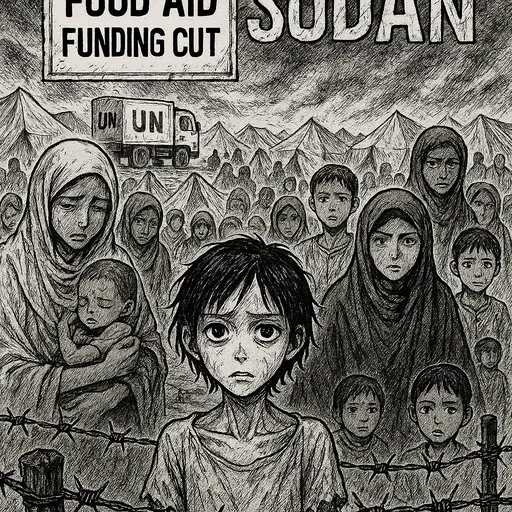
More than three years of conflict in Sudan have produced a sprawling humanitarian emergency marked by mass displacement, rising poverty and acute food insecurity. Aid delivery is increasingly strained by funding shortfalls, security risks and access barriers, forcing reductions or suspensions of food and health services for displaced populations and host communities. Refugees in neighbouring countries face deteriorating conditions as donor attention and resources lag, while agencies warn that children and other vulnerable groups are at particular risk from hunger and disease. UN experts and humanitarian organizations are calling for renewed financing, safe access, accountability, and diplomatic pressure to revive relief operations and push the parties toward dialogue.
This perspective emphasizes an urgent funding shortfall that risks halting life-saving food and nutrition assistance unless donors provide immediate support. It frames the problem as a preventable funding crisis with regional implications for hunger relief.
These reports highlight the human impact of displacement from Sudan, focusing on refugees rebuilding lives in Uganda and the broader picture of civilians abandoned and hungry after three years of war. The viewpoint calls for intensified humanitarian relief and diplomatic efforts to end the fighting and restore services.
This account stresses the sharp increase in poverty inside Sudan as fighting erodes livelihoods and doubles poverty rates compared with pre-conflict levels. It underscores the socioeconomic dimensions of the crisis and the need for protection and aid for households.
This perspective highlights difficulties securing donor funding and international attention as the conflict reaches its third anniversary, portraying Sudan as a struggling, neglected emergency. It urges renewed global focus to meet the scale of civilian needs and restore basic services.
From humanitarian organizations on the ground, this view warns of growing pressures on the response: access constraints, funding gaps and security threats that hamper aid delivery. It also draws attention to refugees in eastern Chad where suspended food aid and deteriorating health services are escalating the crisis.
The UN human rights perspective stresses the need for accountability, renewed dialogue and guaranteed humanitarian access amid rising risks, including attacks on civilians. It frames humanitarian relief as contingent on political and security measures to protect civilians and aid workers.
This viewpoint centers on the mounting hunger and disease affecting children in Sudan, urging increased aid and international support to prevent further deterioration. It emphasizes the acute vulnerability of children within the broader crisis.
These pieces portray Sudan as a neglected conflict with continuing mass displacement, some fleeing into new high-risk areas, and an international community that appears to be looking away. The reporting underscores the scale of displacement and the fragility of aid delivery in contested zones.