

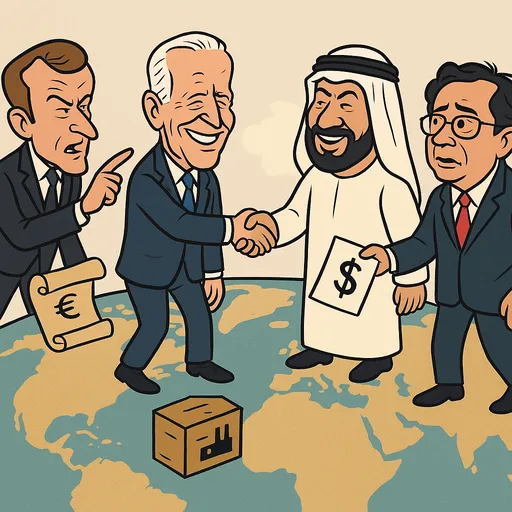
This set of articles highlights an active period of bilateral diplomacy spanning defense pacts, development aid, trade and infrastructure deals. European states are reshaping deterrence arrangements while many countries across Africa, Latin America, Central Asia and the Pacific pursue economic, energy and connectivity agreements. China, Russia, Gulf states and Western donors all deepen bilateral engagements, from trade and media cooperation to infrastructure, aviation and resource deals. Cross-border issues such as migration, consular repatriation and shared environmental or water management challenges also prompt cooperative responses. Overall, bilateral deals are being used both to secure strategic advantages and to deliver tangible development and connectivity outcomes.
Several partner states portray China as a key economic, cultural and infrastructural partner, signing agreements on trade, media, transport and preferential arrangements with African and Pacific countries. These articles emphasize Chinese investment and cooperation as central to partner states' growth and regional integration strategies.
Norway and other European allies are seeking stronger, more autonomous deterrence guarantees with France, reflecting doubts about reliance on distant partners. Coverage frames these pacts as strategic adaptations to a more uncertain security environment in Europe.
The UK and Poland (and close European partners) emphasize deepened bilateral defence and security cooperation to bolster regional deterrence and interoperability. Reporting highlights these agreements as concrete steps to coordinate planning, exercises and defence industry ties in response to shared threats.
Pacific island states and donors (notably Australia, the US and development partners) are negotiating aid, police capacity building, mobility and connectivity projects to support resilience and self-reliance. Coverage stresses program milestones, funding arrangements and the balance between donor support and local ownership.
Countries across the region pursue bilateral cooperation on energy, logistics, migration management and connectivity to support trade and environmental remediation. Articles underscore practical initiatives — from oil talks and mining deals to transport routes and waste cleanup — as part of broader bilateral engagement.
African states and international partners (EU, AFD, others) are advancing regional recovery, green value chains and bilateral development projects to boost resilience and trade. The reporting highlights both donor-driven programmes and shifting trade patterns shaping inter-state economic ties.
Governments are responding to migration pressures and cross-border policy changes with repatriations and administrative measures, reflecting immediate humanitarian and diplomatic priorities. Coverage focuses on safety, logistics and bilateral coordination to manage flows and protect citizens abroad.
Russia’s bilateral ties with Central Asian states and other partners continue to include security, technical and investment dimensions, while partner governments emphasise practical cooperation. Articles cover military-technical cooperation, presidential visits and joint investment initiatives that consolidate regional links.
States and companies are negotiating major tech and defence contracts—from SpaceX military networks to aircraft and quantum partnerships—using bilateral channels to secure capability and industrial cooperation. Reporting underscores strategic procurement choices and private–state collaboration.
Regional talks and targeted bilateral support aim to deepen trade, energy and humanitarian cooperation in Southeast Asia, with donors linking funding to reforms and projects. Articles document both multilateral and bilateral initiatives intended to accelerate connectivity and recovery.
Moves such as consul appointments and active outreach to European and Chinese partners are framed as strategic efforts to boost investment and diversify partnerships. Coverage interprets these bilateral signals as part of a broader economic diplomacy push.
US-led calls for normalization and explanatory coverage of the Abraham Accords portray bilateral deals as central levers in reshaping regional alignments. The articles stress diplomatic diplomacy aimed at expanding accords as part of wider Middle East negotiations.
Bilateral and plurilateral initiatives — from free trade deals to joint investment funds and technical exchanges — are presented as mechanisms to deepen market access and spur regional development. Reporting highlights both the economic promise and implementation challenges of such agreements.
Media reports of Sweden donating Gripen jets reflect national-level decisions to boost Ukraine’s defense capabilities through bilateral arms transfers. Coverage emphasizes the political and military significance of such contributions in the European security context.
High-level talks and agreements address strategic materials, supply security and urgent funding matters, reflecting how bilateral arrangements underpin national priorities. Articles show leaders negotiating both commercial supply chains and institutional finance releases.
Qatar’s and Saudi Arabia’s engagement is depicted through investment, development finance and soft-power initiatives to deepen ties with Africa and other regions. Coverage frames Gulf bilateral deals as part of broader economic diversification and diplomatic outreach strategies.
A controversial domestic proposal to use wildlife as a border-control measure illustrates how bilateral border challenges can lead to unconventional policy thinking and public debate. The piece highlights security concerns and practical implications in a bilateral border context.
At least one private-sector actor and local sources explicitly reject outside-state influence in a major regional infrastructure project, signaling wariness about strategic entrants. This perspective frames concessions and procurement as arenas for balancing competition and sovereignty.