

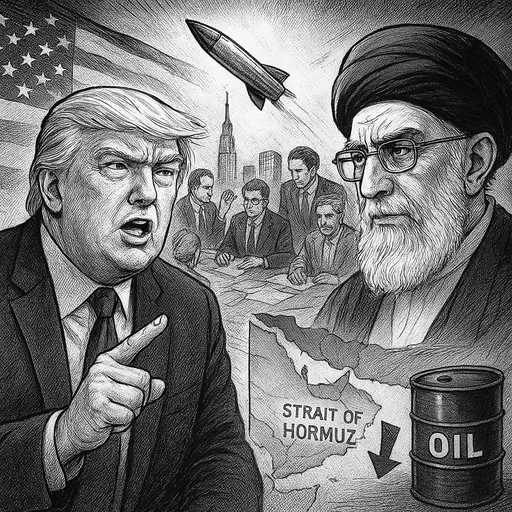
Coverage shows a diplomatic process marked by deep U.S. skepticism and repeated public warnings from President Trump that he remains dissatisfied with proposed terms and may resort to pressure or force if talks fail. The White House has repeatedly denied Iranian media reports of a draft memorandum, creating competing narratives about whether any framework exists. Tehran and its allies signal cautious progress and insist on preconditions—such as release of frozen assets—while downplaying the likelihood of a full return to war. Regional mediators and outside powers (Qatar, Russia, Pakistan and others) are active in shuttle diplomacy and technical offers, and markets have reacted to hopes of a deal with notable falls in oil and talk of reopening the Strait of Hormuz. Overall, the situation remains fragile: public rhetoric, unresolved verification and domestic politics in both capitals keep a final agreement uncertain.
U.S. sources and reporting emphasize President Trump’s dissatisfaction with the negotiations, the imposition of conditions, and occasional threats of military action if terms are unacceptable. Washington’s line combines pressure through sanctions, explicit policy demands, and public impatience with the pace and substance of talks.
U.S. officials and allied reporting repeatedly reject Iranian media claims of a deal or memorandum, calling those reports fabrications and underscoring that no formal agreement has been reached. These denials are intended to shape the public record and distance official policy from circulating draft narratives.
Iranian statements and reporting convey cautious optimism that talks are ongoing and that some framework elements exist, while stressing key preconditions such as the release of frozen assets and rejecting compromises after perceived U.S. rejections. Tehran also signals that a full-scale return to war is unlikely even as it warns no agreement is imminent and substantive gaps remain.
Regional and international actors — notably Qatar, Russia, Pakistan and other reporting capitals — are depicted as active mediators or technical contributors, reflecting shuttle diplomacy and outside leverage on both Washington and Tehran. Their involvement highlights that any durable settlement would require wider regional buy-in and third-party arrangements.
Financial and trade-focused reports track market reactions to diplomatic signals: oil prices fell on hopes of eased tensions and coverage focuses on whether a framework could reopen the Strait of Hormuz and restore shipping. Energy-related sanctions, draft terms for reopening the strait, and possible toll or authority changes are central to market and security concerns.
Opinion and analytical pieces question the coherence and durability of the current approach, warning that hard issues have been deferred and that domestic political constraints and verification challenges could derail a stopgap deal. Critics argue that tactical compromises may not resolve the underlying regional conflicts driving the crisis.