
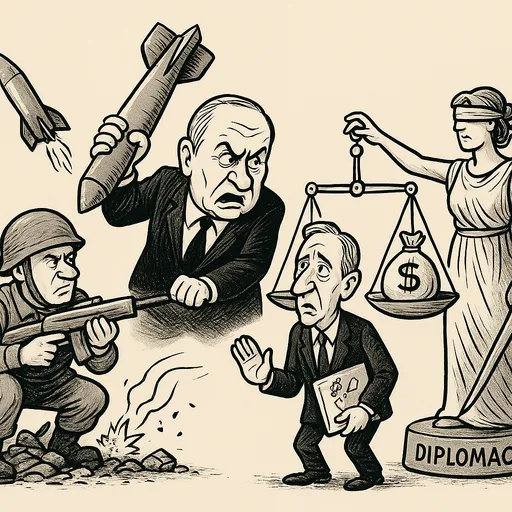
Reporting across countries shows a conflict marked by intensified strikes and new weapons, growing Western intelligence assessments of heavy Russian losses, and mounting European security concerns. Kyiv is pushing for greater air-defence support and signaling offensive plans while also highlighting civilian suffering and mobilization pressures at home. Analysts and some media warn of dangerous escalatory steps, including hypersonic and ballistic weapons, raising fears of wider confrontation. Diplomacy appears stalled: condemnations and sanctions continue, but concrete negotiation breakthroughs remain scarce.
Ukrainian officials and sympathetic outlets emphasize active defense, requests for stronger air defences, and plans for offensive and defensive operations while stressing national resilience. Kyiv's leadership frames strikes, unit recognitions and appeals for international aid as part of sustaining the war effort and seeking a strategic turning point.
Western and European sources raise alarm about Russia’s evolving threat and report high Russian casualties, urging stronger NATO and EU vigilance. Coverage highlights intelligence estimates, assessments of Russia's willingness to test NATO, and calls for coordinated defence readiness across the continent.
Analysts and reporters concentrate on new or more powerful weapons used in the fighting — from hypersonic and ballistic strikes to novel missile types — and debate what their deployment means for battlefield dynamics and political signalling. Coverage frames these developments as potentially escalatory and as evidence of shifting tactics or desperation on one side.
Reports from humanitarian-focused outlets and local reporting emphasize civilian casualties, damage to towns and infrastructure, mass attacks on population centers, and calls for evacuations or protection corridors. These pieces underscore the immediate human toll of continued strikes and the steady disruption of civilian life across Ukraine.
Coverage of Moscow highlights Kremlin reluctance to detail any endgame, internal legal and military adjustments that extend presidential powers abroad, and the authorisation of private and non-traditional actors to strengthen defences. These stories portray a Russia consolidating tools to protect its interests and project influence regionally while managing domestic and neighbouring pressures.
International reporting records diplomatic deadlock, ongoing sanctions debates, and a range of global reactions from formal condemnations to analyses of how punitive measures affect allied regimes. Smaller states’ statements and commentary pieces reflect both moral condemnation and pragmatic consideration of regional consequences.