
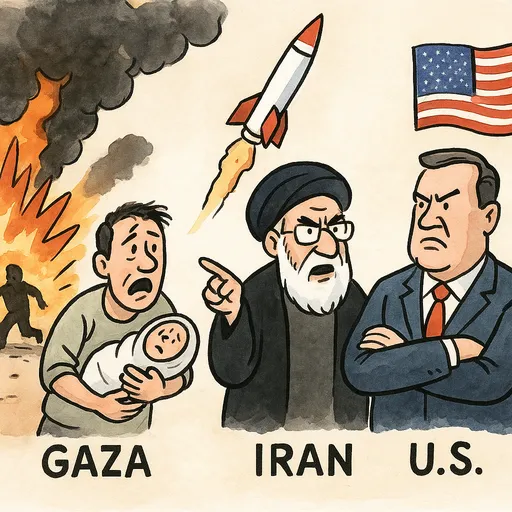
Fighting has intensified across multiple fronts: Israel has ordered large-scale expansions of military control in Gaza and stepped up strikes in southern Lebanon, prompting evacuation orders and mounting civilian casualties. At the same time, Iran and U.S. forces have traded strikes, missile launches and maritime confrontations near the Strait of Hormuz and against regional bases, with Tehran and the IRGC framing actions as retaliation and deterrence. Gulf states, Kuwait and regional organisations have condemned cross-border attacks on Gulf territory, while the UN and international actors have called for restraint amid mounting humanitarian tolls. Analysts warn the conflict is testing weapons stocks, diplomatic limits and the fragile ceasefire framework, raising the risk of wider regional involvement and protracted instability.
Israeli leaders are signaling a decisive, hardline approach: Prime Minister Benjamin Netanyahu and senior ministers have ordered expanded military control over large parts of Gaza and vowed intensified operations against Hezbollah in Lebanon. Israeli statements also include evacuation warnings and claims of targeted strikes on militant leaders and infrastructure, presenting these as necessary security measures despite international concern about civilian harm.
Iranian leaders and the IRGC portray their actions as defensive deterrence and retaliation for U.S. and Israeli strikes, boasting missile and naval capabilities and claiming targeted responses against foreign bases and maritime threats. Tehran's rhetoric frames the confrontation as resistance to what it depicts as aggression and conspiracies against national sovereignty, while also signaling readiness to escalate if attacked further.
U.S. statements and CENTCOM briefings justify strikes as self‑defense against missile, drone and maritime threats and characterise Iranian launches toward Gulf targets as violations of ceasefire terms. U.S. strikes on Iranian facilities and efforts to protect bases and shipping are framed as measures to deter further aggression, even as Washington faces domestic political rhetoric that risks amplifying tensions.
Local authorities, health ministries and eyewitnesses report heavy civilian tolls from Israeli airstrikes across southern Lebanon and Gaza, with evacuations, damaged infrastructure and mounting death counts underscoring acute humanitarian distress. Lebanese political leaders and communities condemn the strikes and seek international support to halt attacks, while Gaza residents describe continued shortages and holiday observances overshadowed by violence.
Gulf governments, Kuwait and regional organisations have strongly condemned missile and drone attacks on Gulf territory and called for respect of sovereignty and de‑escalation. The UN Security Council and other regional bodies have also expressed concern, particularly after attacks that threatened critical infrastructure such as a nuclear plant, prompting appeals for restraint.
Analysts and international agencies flag worrying trends: the U.S. weapons stock concerns, maritime standoffs near Hormuz, and fragile ceasefires that are repeatedly tested by military exchanges. UN missions and other observers urge restraint and warn that miscalculation could broaden the conflict and disrupt commerce and humanitarian access.
Armed groups and allied militias express defiance: Hamas accuses Israel of genocidal intent and regional resistance groups refuse disarmament, presenting continued armed resistance as legitimate against perceived occupation and foreign intervention. These positions feed reciprocal military responses and complicate diplomatic avenues to de‑escalation.
Commentary and cultural pieces highlight internal political tensions and social reactions to the war: critics warn of repressive domestic policies in Israel, while cultural acts in Iran reflect dissent and politicised symbolism during wartime. These voices show how the conflict is reverberating inside societies as well as across borders.