
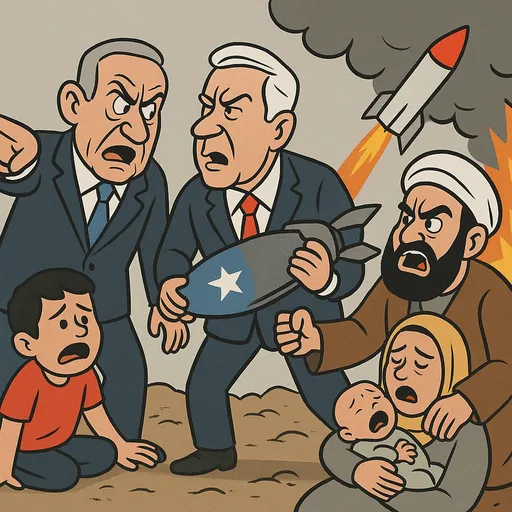
Over the period covered, Israeli leaders publicly ordered large-scale expansions of ground control in Gaza and reported operations crossing into southern Lebanon, accompanied by evacuation warnings for Lebanese border residents. The United States has carried out multiple strikes on Iranian sites and facilities, while US officials and commentators have voiced readiness to resume broader hostilities; Iran and its proxies have responded with retaliatory strikes and claims of attacks on US bases and regional targets. Hezbollah and Lebanese resistance groups report intensified cross-border operations and missile strikes into northern Israel, as Lebanese casualties mount and UN tallies document heavy harm to children and civilians. International organizations, including the UN and UNICEF, warned that expanded Israeli control of Gaza and ongoing fighting will dramatically worsen civilian suffering and impede humanitarian access. Gulf states and regional bodies condemned attacks that spilled into the Gulf, highlighting the risk of a widening conflict that is straining diplomacy and any prospects for a multilateral stabilization force.
Israeli leaders frame expanding operations as necessary security measures to defeat militants, reporting orders to seize large portions of Gaza and asserting cross-border advances into Lebanon. Officials issued evacuation warnings for southern Lebanon and hardline ministers signaled aggressive tactics, presenting ground and air operations as deliberate steps to neutralize threats.
US military forces have carried out strikes on Iranian targets and facilities, framed publicly as defensive actions to degrade threats, while senior US figures and commentators emphasize Washington's readiness and capability to escalate if needed. Coverage highlights both the tactical strikes near the Strait of Hormuz and the broader political debate over military options and the limits of US strategy.
Tehran presents its actions as retaliation and deterrence, claiming strikes on US bases and showcasing missile and drone capabilities while denouncing US and Israeli intentions to destabilize the Islamic Republic. Iranian officials stress growing leverage through missile forces and emphasize readiness to respond to attacks, framing the confrontation as one of sovereignty and survival.
United Nations agencies and UNICEF focus on the catastrophic civilian toll, warning that expanded Israeli control of Gaza and intensified cross-border fighting in Lebanon will worsen children’s suffering and obstruct aid. These organizations repeatedly call for protection of civilians, immediate humanitarian access, and restraint to prevent further violations of international humanitarian law.
Lebanese militant groups and resistance actors depict escalating strikes and rocket fire as responses to Israeli operations, reporting attacks inside northern Israel and claiming multiple strikes on Israeli military targets. Lebanon’s civilian sector reports mounting casualties and displacement, with UN tallies and local reports documenting heavy deaths and damage across southern Lebanon and Beirut environs.
Voices from Gaza highlight severe humanitarian hardship, local suffering, and denunciations of Israeli moves to seize territory; Hamas and Palestinian health authorities report leader casualties and civilian deaths while urging resistance and international attention. Personal letters and health updates emphasize acute daily hardship, grief over slain leaders, and anger at perceived international inaction.
Gulf actors and regional organizations condemned missile and drone attacks against Kuwait and signalled alarm at strikes affecting Gulf security, while reporting uncovered involvement by regional states in strikes on Iranian facilities. Coverage reflects concern that Gulf escalation and covert actions risk widening the confrontation and threaten energy and trade routes.
International efforts to stabilize Gaza and field peacekeeping forces face stalling troop pledges amid the Iran–US confrontations, and wider diplomatic initiatives are weakened by ongoing fighting. Separate regional crises, such as flood emergencies in Syria, further complicate the humanitarian and political environment across the Middle East.