
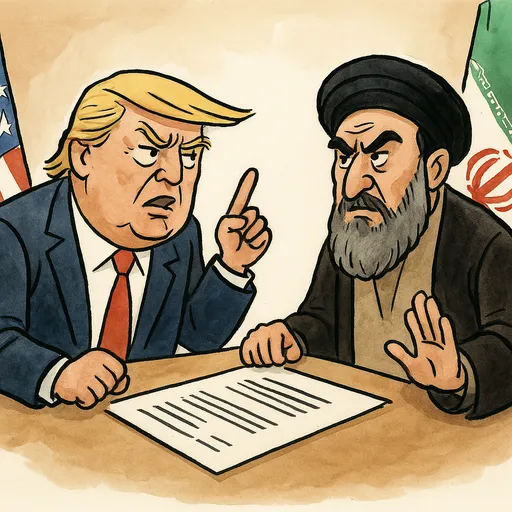
Reporting shows a tense, unresolved diplomatic process: U.S. leaders, particularly President Trump, repeatedly claim Iran has pledged not to pursue nuclear weapons and say progress is near, while also insisting on strict red lines and tougher terms. Iran’s officials and negotiators consistently reject pressure, demand guarantees of Iranian rights, and warn they will not accept a deal without tangible benefits. Negotiators on both sides continue talks, exchange revised texts and draft memoranda, and have extended a ceasefire, but final sign‑off and verification remain elusive. The dispute over wording and conditions has prompted international concern, market movements tied to energy and sanctions, and isolated military incidents that raise the risk of escalation.
U.S. sources and statements emphasize progress and security guarantees, with Trump and administration allies repeatedly asserting Tehran has committed not to pursue nuclear weapons and framing sanctions and naval measures as leverage. This perspective stresses U.S. control of terms, patience for a good deal, and confidence that red lines will prevent weaponization.
Iranian leaders and negotiators portray the United States as untrustworthy and demand firm guarantees that Tehran’s rights and red lines will be protected before agreeing to any deal. Officials repeatedly state they will not accept agreements without tangible results, full guarantees, or concessions on issues like the Hormuz Strait and sovereignty.
Multiple reports underscore active, incremental diplomacy: exchanges of draft texts, amendments to memoranda, and extensions of a temporary ceasefire while both sides refine proposals. Though negotiators signal that a framework is in sight at times, officials on both sides stress that final approval — notably presidential sign‑off — and detailed guarantees are still pending.
Coverage from various outlets notes a consistent U.S. pattern of hardening demands: revised memoranda, sent‑back proposals with stricter clauses, and calls for specific changes on enrichment and Hormuz access. This posture is portrayed as prolonging negotiations and prompting Iranian pushback and skepticism.
Several items highlight military friction — drone shootdowns, maritime engagements, strikes on radar and drone control sites, and public statements about the option to resume war — underscoring how kinetic incidents could derail diplomacy. Observers warn that such confrontations raise the stakes and complicate negotiation dynamics.
Economic reporting links diplomatic signals to market moves: equities rallying on signs of easing tensions, oil prices reacting to proposals for renewed talks, and discussions of frozen funds and Hormuz security shaping investor expectations. These items emphasize the tangible economic consequences of diplomatic shifts.
International coverage and commentary stress the wider diplomatic environment: allied calls for pacts to secure navigation, analyses of U.S. strategic timing, and concern that regional actors watch closely as Washington weighs decisions. External actors frame diplomacy as fragile and influential for broader Middle East stability.
Reporting from within Iran points to internal divisions, hardliners wary of compromise, and domestic demands such as a large reconstruction fund, all of which shape Tehran’s negotiating flexibility. These domestic pressures may both drive tough public stances and complicate ratification of any agreement.