
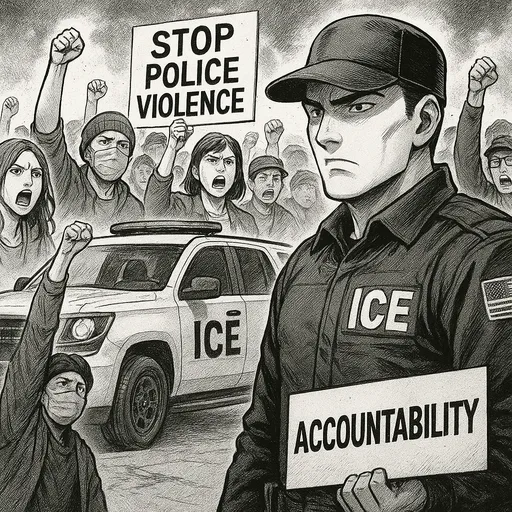
A series of fatal shootings and deaths linked to U.S. Immigration and Customs Enforcement vehicle stops has prompted ICE to suspend most traffic stops while authorities review the use of force. The incidents, including a deadly Maine operation and multiple recent fatalities in Florida and Texas, have triggered protests across U.S. cities and renewed demands for independent investigations and accountability. Political fallout is evident domestically, with partisan criticism and reported executive directives to curb vehicle checks, and internationally, countries such as Mexico and Colombia are pressing for answers about their nationals. Advocacy groups and analysts warn the suspensions reflect deep operational and rights-related concerns around immigration enforcement and call for systemic reforms to prevent further tragedies.
The Paraguayan account emphasizes the formal suspension of road checks by ICE after two fatal shootings, framing it as a government measure to review enforcement procedures. It highlights official responses and calls for accountability without extensive investigative detail.
Canadian sources focus on the Maine shooting's local political repercussions and the broader debate over enforcement tactics, including criticism of U.S. politicians like Senator Susan Collins. Reporting situates the fatal encounter within ongoing concerns about the use of force by immigration officers.
The Quebec report centers on angry protests in Biddeford, Maine, after the death of a Colombian in an ICE operation, stressing community outrage and expert warnings about ICE interventions. It frames the incident as emblematic of larger policy failures.
The Costa Rican piece relays reports that ICE halted most vehicle stops and underscores safety and policy implications for migrants and law enforcement. It frames the suspension as a significant operational shift reported by international media.
Honduran articles highlight multiple migrant deaths tied to ICE actions amid rising detention numbers, calling for independent probes and transparency from authorities. They emphasize the human toll and growing scrutiny of enforcement practices.
Guatemalan coverage combines a profile of a Colombian killed in Maine with a separate report on a Guatemalan detainee allegedly assaulted during an operation, spotlighting alleged abuses. The pieces amplify immigrant-rights groups' criticism and demand scrutiny of ICE behavior.
The El Salvador report focuses on the identification of the Colombian victim and the unfolding investigation, underlining the personal and cross-border consequences of U.S. enforcement actions. It stresses the human impact and ongoing inquiries.
The Mexican article reports a national run over while fleeing a raid in Florida and frames the incident as part of a string of deaths linked to ICE, raising concerns about tactics and migrant safety. It highlights broader calls for accountability.
The Norwegian piece analyzes operational challenges in stopping vehicles, discussing how enforcement tactics confront practical limits and public-safety implications. It places ICE's difficulties within wider debates on immigration control effectiveness.
Colombian reporting emphasizes a new development that the man killed may not have been the person ICE sought, raising questions about identification, procedural failures and international fallout. The piece presses for clarity and accountability.
The Panamanian account highlights transnational protest movements, noting demonstrations in New York and Boston demanding justice for ICE victims and accountability for agents. It frames the events as part of sustained grassroots pressure.
Vatican coverage documents the Maine death and subsequent nationwide protests, emphasizing ethical and human-rights concerns and calls for systemic reform of enforcement practices. It presents the incidents as morally troubling and politically consequential.
The Finnish report summarizes that two shootings by ICE within a week led to a nationwide pause on vehicle stops, focusing on the administrative review and use-of-force questions. It frames the suspension as a direct response to recent lethal incidents.
The Malaysian piece notes that ICE halted traffic-stop arrests amid growing scrutiny of immigration raids and civil-liberties concerns, reflecting international attention to enforcement practices. It highlights advocacy groups' calls for reform.
New Zealand outlets report the pause on vehicle stops after two killings and cover a Florida incident where a person fleeing ICE was fatally struck, raising concerns about public safety and civil liberties. The coverage situates U.S. enforcement controversies in a broader global human-rights context.
The U.S. report focuses on Mexico's demand for answers after 17 Mexican nationals' ICE-related deaths, highlighting diplomatic pressure and calls for accountability from affected families and governments. It underscores international consequences of U.S. enforcement actions.
The Italian article reports a presidential order to stop ICE vehicle checks following recent deaths and discusses potential legal and political ramifications. It frames the directive as a high-level response to mounting public and international criticism.