

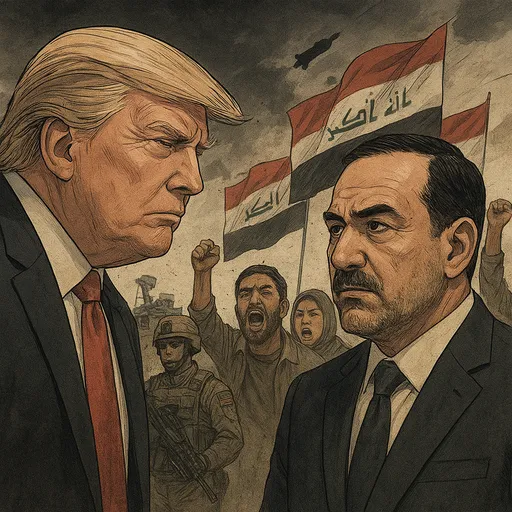
High-level White House meetings between President Trump and Iraq's new prime minister were presented as demonstrations of strong rapport and a commitment to deepen security and economic cooperation. U.S. officials framed the visit as paving the way for deals and ongoing bilateral engagement, even as discussions were held against a backdrop of heightened U.S.–Iran tensions. Separate reports signal a planned U.S. military withdrawal from Iraq, with at least one timeline toward September 30, 2026, marking a potential strategic shift in the American presence. Iraqi resistance groups have publicly rejected the government delegation's visit to Washington and called for an end to U.S. forces, underscoring strong domestic opposition and sovereignty concerns. Together the accounts show concurrent diplomatic outreach, announced force reductions, and significant internal Iraqi pushback that could complicate implementation of any new agreements.
North American and other outlets emphasized the personal rapport between President Trump and Iraq's new prime minister and framed the visit as advancing bilateral cooperation on security and economics. Coverage highlights U.S. endorsement of Prime Minister Ali al-Zaidi and promises of deals, while noting the meeting occurred amid regional tensions with Iran.
Some reports focus on declared plans for U.S. forces to leave Iraq, presenting a concrete timeline and suggesting a major change to the long-term military footprint. These pieces stress logistical implications and possible effects on regional security and bilateral ties as Washington redefines its presence.
Sources reporting from or sympathetic to Iraqi resistance viewpoints spotlight strong domestic opposition to the Washington visit and demand an end to foreign troops. This perspective frames the diplomacy as contested at home and warns of political and security fallout if U.S. involvement continues.