
World leaders are intensifying diplomatic activity across multiple theatres, from renewed hints of negotiations over the Ukraine war to concerted great-power engagement through forums like the SCO and APEC. The EU and its members are debating diplomatic overhaul and enlargement policy even as tensions with Russia and internal political dynamics persist. Middle Eastern and African leaders press for de-escalation and humanitarian responses, while Pacific island states and small countries push back on perceived militarisation and seek deeper partnerships with partners such as the EU and Japan. Multilateral institutions and leadership selections face contested processes, and Latin American and Balkan politics reflect regional realignments that are shaping bilateral and multilateral dialogue.
States and leaders involved in or mediating the Ukraine conflict signal cautious diplomatic momentum, with Russian statements about a possible peace deal matched by Ukrainian hints of renewed negotiation energy and outreach to partners like India. Several leaders and envoys frame diplomatic engagement as necessary for de-escalation while underscoring ongoing risks and procedural frictions.
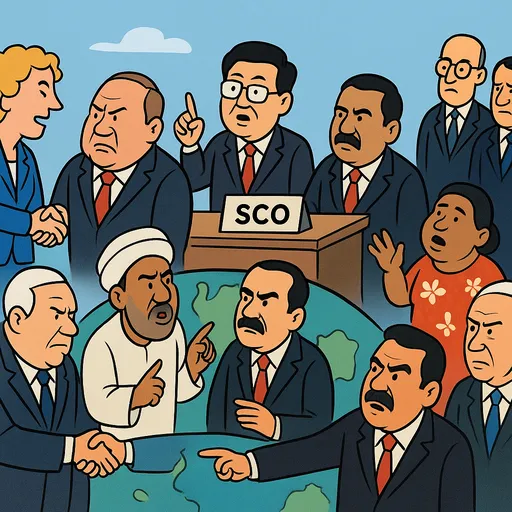
China is projecting leadership through the SCO and high-level summits while defending open trade and opposing interference, and major powers are using summit diplomacy to manage strategic ties. Beijing’s diplomacy emphasizes multipolar engagement, regional security architectures and economic cooperation, often alongside coordinated messaging with partners like Russia and outreach to the Middle East.
European institutions and leaders are debating reforms to diplomatic strategy, enlargement policy and regional security priorities, balancing member-state interests with broader EU external ambitions. Several articles reflect tensions between safeguarding national interests, bargaining over policy with capitals, and responding collectively to crises involving Russia and regional neighbours.
Regional and outside actors are pressing for de-escalation, humanitarian access and security arrangements even as Israel asserts firm positions on Gaza governance and leverages negotiations in broader diplomatic disputes. Several states and leaders publicly condemn settlement expansion, advocate stronger regional security forces, and call for coordinated measures to reduce spillover risks.
Pacific leaders and regional stakeholders are vocal about sovereignty, security and development choices, criticizing perceived militarisation or heavy-handed diplomacy and seeking deeper partnerships on climate, trade and capacity building. The bloc is also active in calling for transparency on strategic military actions and pursuing diversified cooperation with partners like the EU and Japan.
Routine high‑level visits, congratulatory messages and public engagements continue to underpin state-to-state ties and soft-power outreach, showcasing symbolic diplomacy even where substantive outcomes are not reported. These interactions span small and mid-sized states and highlight the role of personal and ceremonial moments in maintaining bilateral relations.
African leaders and civil society actors are urging coordinated international responses to crises in Sudan and Gaza and condemning attacks that threaten regional stability and energy security. The perspective stresses humanitarian imperatives and the need for diplomatic responses to prevent further destabilisation.
Member states are contesting multilateral procedures, including the UN Secretary-General selection and agenda priorities, reflecting broader strains in global governance and competing regional interests. The contested processes highlight how diplomatic rivalries and internal politics can delay or complicate international cooperation.
Political developments in the Western Balkans are testing domestic leaderships amid sensitive symbolic moments, with nationalist sentiment and international scrutiny complicating government choices. Leaders face the dual challenge of managing local expectations and preserving foreign relations and EU engagement prospects.
Central Asian venues continue to host bilateral meetings and symbolic recognitions tied to SCO activity, underlining the region’s role as a hub for Eurasian diplomatic outreach and China‑Russia‑aligned cooperation. Leaders use these forums to advance ties and showcase economic and cultural linkages.
Political leaders in the region are signaling realignments and ideological coordination, with right‑wing figures calling for organized cooperation and commentators critiquing voting patterns in inter‑American bodies. Diplomatic engagements at the IDB and the UN show continuing efforts by regional leaders to shape international agendas and partnerships.
Developments in East Asia range from shifts in DPRK policy language toward a de facto two‑state framing to ongoing cultural and political exchanges between South Korea and European partners. The coverage underscores regional security implications and the role of soft‑power ties in bilateral relations.