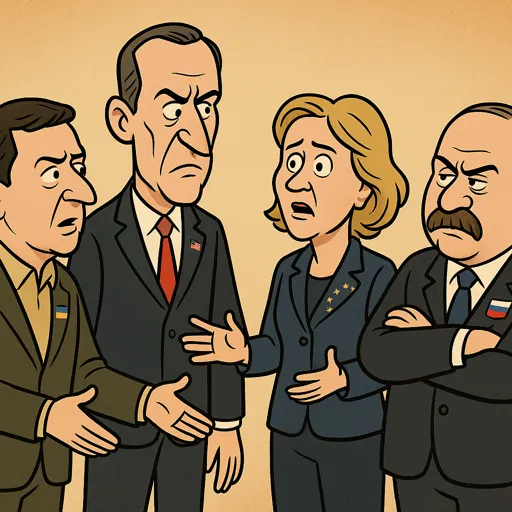
Ukrainian, US and EU officials have agreed to expand diplomatic talks over the war, with multiple envoys saying Europeans will take seats at upcoming meetings—even as the format and timetable remain unclear. US envoys are conducting shuttle diplomacy, planning meetings with both Moscow and Kyiv, while Moscow publicly maintains a firm negotiating stance. European leaders have reiterated unwavering support for Ukraine and warned of continuing security and hybrid-threat challenges, while Kyiv also pursues outreach to the Global South to broaden international backing. Overall, diplomacy is active and coordinated across Washington, Kyiv and European capitals, but substantive outcomes are still uncertain.
Ukraine and US representatives have announced that Europeans will participate in the next round of talks with Russia, framing this as a step toward a wider negotiating format. Multiple spokespeople and envoys emphasized coordination but stressed that details on timing and the exact format remain unsettled.
US envoys are undertaking high-level meetings that include plans to meet Putin in Moscow and Zelensky in Dublin as part of efforts to bridge parties. Russian leadership publicly says it seeks lasting peace but remains firm on its negotiating positions, adding uncertainty to mediation prospects.
European leaders have sent a unified message of sustained support for Ukraine and prioritized countering hybrid threats, while Kyiv warns Europe to stay vigilant. Symbolic gestures, such as awards to Zelensky and the Ukrainian people, underscore continued political and morale backing from European actors.
Separately, Kyiv is pursuing diplomacy toward the Global South to build political support, humanitarian and economic assistance, and international legitimacy amid great-power competition. These efforts aim to diversify backing but face strategic and practical challenges.