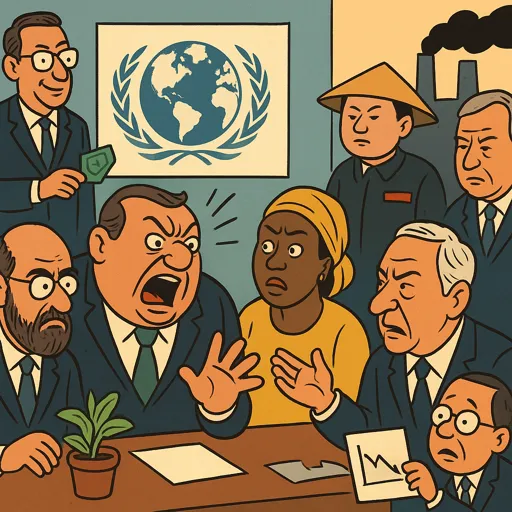
COP31 in Antalya has been marked by urgent calls for faster climate action amid deep divides over fossil fuels, finance and the pace of the energy transition. World leaders, UN officials and scientific reports warned the current trajectory risks overshooting 1.5°C, while vulnerable countries pressed for quicker, more predictable funding and adaptation support. Geopolitics and strategic manoeuvring — from China’s growing influence on green-energy debates to host-country diplomacy and bilateral partnership meetings — shaped negotiations and side events. At the same time, smaller states and regional initiatives used the summit to spotlight health, aviation, and disaster-risk financing needs, underscoring the mix of high-level bargaining and practical, project-level cooperation.
World leaders and UN officials repeatedly urged faster, more decisive action as negotiations began, highlighting a widening gap between ambition and implementation. A new scientific assessment presented at the summit underscored that current pledges still run the risk of substantially overshooting climate goals, intensifying pressure on delegations to bridge divides over fossil fuels and finance. The mood at the negotiating table was one of urgency tempered by deep political disagreement.
Pacific nations made clear that any overshoot of 1.5°C would be catastrophic and demanded far faster access to climate finance and implementation support. Leaders stressed that climate action must proceed regardless of the presence of major emitters, while a Solomon Islands VR documentary used storytelling to amplify displacement and adaptation needs. These interventions framed the moral and practical urgency for prioritizing vulnerable island states in outcomes from COP31.
Debates over who sets the pace for decarbonization featured prominently, with U.S. and Chinese leadership narratives influencing discussions about investment and policy direction. Analyses noted that China still holds strategic options to shape global climate diplomacy, while statements by figures like John Kerry urged emulation of green-energy approaches. Host and middle powers, including Türkiye and New Zealand, emphasized pushing for a workable deal and active participation in negotiations.
Turkmenistan used COP31 to advance regional cooperation and visibility, holding bilateral meetings and thematic sessions focused on its Awaza program and aviation initiatives. The opening of a regional aviation technologies centre and multiple high-level contacts illustrated a strategy of leveraging the summit for soft-power and practical regional projects. These events demonstrated how countries can combine diplomatic outreach with sectoral initiatives at COPs.
A strand of the summit foregrounded concrete financing initiatives and development partnerships, from Ethiopia’s pre-COP32 planning to Mozambique’s multi‑million dollar allocation and the UN’s new Disaster Risk Financing Platform. Smaller delegations highlighted their needs and presented national plans — such as Rwanda’s investment-focused climate proposal — seeking to link finance, resilience and green growth. Together these items reflected efforts to translate high-level commitments into predictable funding and actionable projects.
Regional and sectoral priorities struggled for formal negotiating space, evidenced by Himalayan countries failing to secure a dedicated negotiation slot and calls for more climate-linked health funding. Kyrgyzstan and other smaller states used side events to elevate health and adaptation concerns, while East African warnings about El Niño highlighted immediate disaster risks. The cluster underscored that many regional vulnerabilities remain underrepresented within core negotiation tracks.