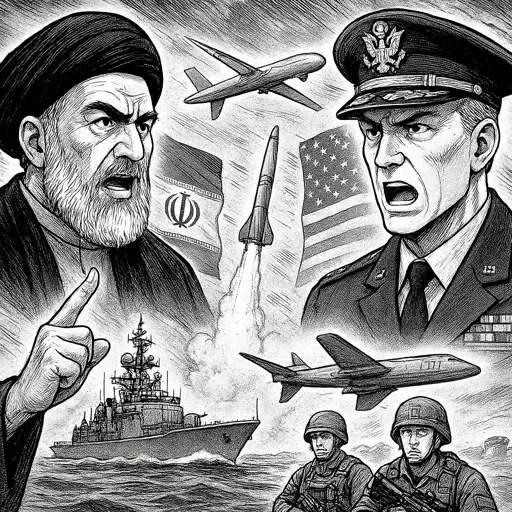
Tensions between Iran and the United States have escalated into frequent public threats and claims of attacks, with Tehran repeatedly asserting responsibility for drone strikes and radar hits on U.S. bases in Bahrain. Iran’s rhetoric has expanded to threaten U.S. forces and infrastructure beyond the Gulf — including bases in Europe — while reports of growing missile ranges and stockpiles raise Western security concerns. Washington and its partners have responded with intensified deployments, calls for allied naval cooperation, and stern warnings of retaliation, even as some U.S. officials signal a cautious, wait‑and‑see approach. Iranian officials also emphasize economic resilience and accuse the U.S. of preparing further strikes, framing the confrontation as both military and political pressure.
Iran and the IRGC publicly claim multiple drone and aerial strikes against U.S. radar and military sites in Bahrain, framing these actions as retaliation and deterrence. Reporting frequently notes the lack of independent verification, underscoring a contested information environment and the risk of miscalculation.
U.S. leaders and partners emphasize military deterrence — deploying carriers and urging allied warships to secure shipping lanes — while issuing warnings of forceful responses to threats. At the same time, some U.S. officials convey caution or a wait‑and‑see posture, reflecting a combination of pressure, alliance-building and measured restraint.
Analysts and officials warn that Iran’s expanding ballistic missile capabilities and reported clandestine operations and cyber activities extend the threat envelope to Europe and U.S. personnel abroad. Those reports paint Tehran as willing to project power beyond the Gulf and complicate Western deterrence and defense planning.
Iranian officials publicly reject U.S. economic pressure, accuse Washington of preparing further attacks even amid diplomatic engagement, and use maritime deadlines as strategic leverage. International commentary and live updates link these signals to broader humanitarian and diplomatic consequences, showing how rhetoric shapes the crisis.