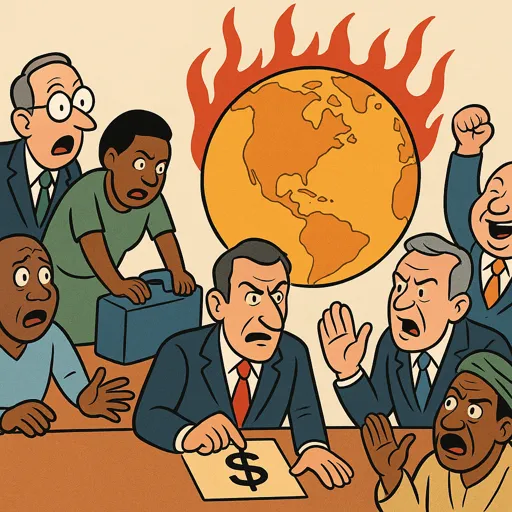
COP31 in Antalya centered on the difficult task of turning climate commitments into concrete finance, technology transfer and implementation amid sharp geopolitical divides and competing energy priorities. The summit combined high-profile conservation pledges and industry dialogues with urgent warnings about the risks of breaching 1.5°C. Vulnerable nations pressed for justice, adaptation support and better representation even as hosts and leaders pushed for a deal. Energy security and technical-sector cooperation emerged as parallel tracks shaping prospects for a more actionable COP32.
Ethiopia used COP31 diplomacy to advance COP32 preparations and to argue that climate action should be treated as economic policy, emphasizing green investment, job creation and resilience. Leaders sought concrete outcomes on financing, technology transfer, and strengthened private-sector and regional partnerships to turn commitments into implementation.
Canada and Brazil announced major funding initiatives to protect tropical and rainforest ecosystems, signaling renewed international commitment to forest conservation and sustainable management. These pledges combine policy collaboration with on-the-ground projects intended to safeguard biodiversity while supporting local development.
Negotiations in Antalya exposed deep divisions over finance and fossil fuels, with key players slowing progress on a comprehensive accord and negotiators reworking familiar disputes. The UN’s warnings about the consequences of breaching 1.5°C underscored the urgency even as countries struggled to agree on ambitious, practical pathways.
Smaller and climate-vulnerable countries pressed for accountability, adaptation finance and disaster-risk reduction, highlighting repeated climate disasters and the need for equitable support. Proposals seeking special negotiation spaces for regions like the Himalayas struggled to find broad backing, illustrating representation challenges.
As host, Turkey and President Erdoğan framed Antalya as the venue to secure greater global responsibility and accelerate commitments, urging a robust deal on finance and mitigation. World leaders’ engagement was presented as pivotal to shaping credible outcomes on emissions reductions and adaptation support.
Energy geopolitics and transition policy were prominent, with examples ranging from Ukraine’s rapid renewable deployment to scrutiny of island fuel studies and national delegations’ strategies. Countries emphasized that energy security concerns must be reconciled with decarbonization pathways through international cooperation and informed policy design.
COP31 showcased sectoral and technical initiatives, including the cement sector’s push toward low‑carbon, durable and circular solutions and a regional weather-technology center proposal for Central Asia. These sessions highlighted practical innovation and capacity-building as essential complements to high-level diplomacy.