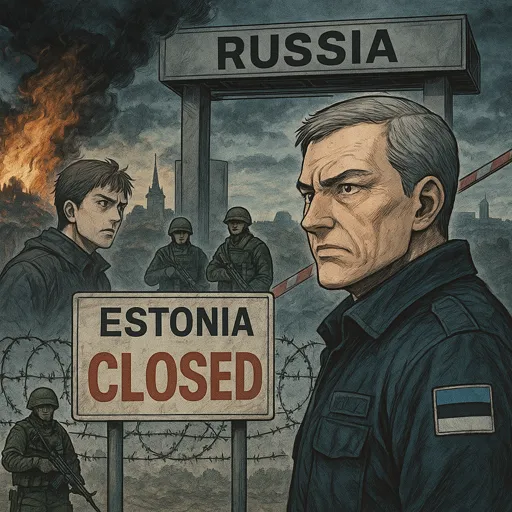
Estonia has moved to close its border with Russia following an alleged sabotage and arson attempt at a domestic drone maker, with authorities detaining several suspects and planning crossings to shut from December 1. Tallinn and many reports attribute the plot to Russia-linked actors, framing the closure as a security response during heightened tensions tied to the Ukraine war. The closures will disrupt travel and trade and raise concerns about the status and safety of ethnic Russian communities in border areas like Narva. Critics warn the measures risk fueling anti-Russian sentiment, while supporters argue they are necessary to protect critical infrastructure and national security.
Most outlets present the closures as a defensive measure after an alleged sabotage plot and arson at a drone factory, with arrests and attribution to Russia-linked agents cited as justification. Other coverage emphasizes the human and political costs—disruptions to cross-border movement, economic impacts, and the vulnerability of ethnic Russian populations in towns such as Narva—while some commentary labels the policy as aggressive russophobia. Reporting situates the move within broader European security concerns related to the Ukraine war.