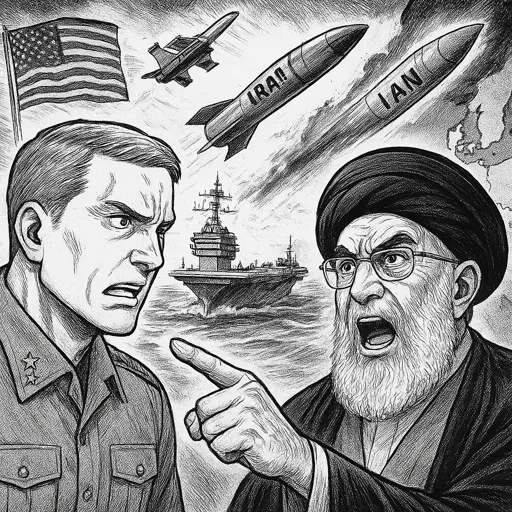
Iran’s public hostility toward U.S. leadership is expressed through a mix of direct attacks, explicit threats and aggressive rhetoric that raise the risk of broader confrontation. Tehran and allied proxies have claimed strikes on U.S. bases in the Gulf and warned they could target U.S. facilities in Europe, while naval and port incidents add to instability. The U.S. response combines naval deployments, airstrikes, and forceful public warnings from senior officials alongside intelligence assessments that Iranian threats to Americans have risen. Regional governments and U.S. policymakers are balancing pressures to deter Iran, avoid a prolonged war, and coordinate international security measures amid mounting uncertainties.
Iran and its forces publicly portray a posture of retaliation and deterrence, claiming strikes on U.S. bases in the Gulf and threatening to hit American facilities in Europe if they are used in a conflict. Tehran frames these actions as defensive responses to U.S. strikes and presence, signaling a willingness to expand retaliation regionally.
U.S. leaders are oscillating between shows of force and diplomatic approaches, moving naval assets, seeking coalition help to secure the Strait of Hormuz, and debating whether to delay direct strikes. Officials emphasize disrupting Iran’s proxy funding and avoiding an 'eternal war' even as they project readiness to respond to provocations.
Senior U.S. and allied figures have issued stark warnings about Iranian intentions and capabilities, at times threatening severe retaliation, which can heighten tensions and risk miscalculation. These warnings have been paired with U.S. airstrikes and public intelligence claims that underline a confrontational tone in official discourse.
Intelligence assessments and reporting point to increased Iranian threats against Americans alongside maritime and port incidents that complicate the operational picture. U.S. officials offer divergent forecasts—some predict a quick end to hostilities while others warn of persistent risks—underscoring uncertainty and the potential for escalation from unexplained events.
Internal opposition and unrest inside Iran are cited alongside Tehran’s external confrontations, illustrating domestic strain as the regime faces both internal and external pressures. Gulf states have pushed back diplomatically against Iranian interference, reflecting growing regional friction and political consequences of Tehran’s hostile posture.