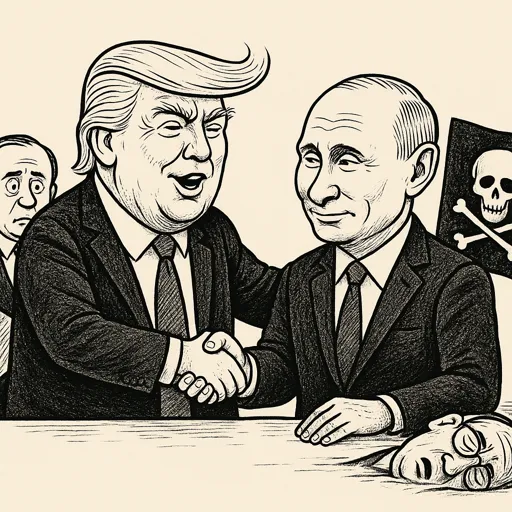
High-level engagement between Washington and Moscow intensified, with reports of a Trump–Russian envoy meeting at the White House and multiple bilateral encounters between Presidents Trump and Putin at the APEC summit in China generating upbeat public rhetoric. Leaders and spokespeople promised potential breakthroughs, with Trump publicly praising his rapport with Putin and forecasting “great” or “wonderful” outcomes. At the same time, allied governments and analysts warned that substantive progress is uncertain: they call for pressure on Moscow over Ukraine, note Russia’s broad demands that touch on Central Asia, and highlight allegations of destabilizing plots. The sudden death of Russia’s ambassador in Washington and White House clarifications that the U.S. does not seek regime change underscore both the fragility and high stakes of the renewed diplomatic channel.
Many outlets depict the bilateral diplomacy as energetic and cordial, centering on Trump–Putin encounters at the APEC summit and related meetings. Coverage emphasizes positive optics—handshakes, mutual praise and promises of “amazing” or “great” outcomes—while noting few concrete agreements yet emerged.
Other sources stress caution: leaders and commentators urge pressure on Putin over the war in Ukraine and raise alarms about Russia’s wider demands and alleged aggressive plans beyond Ukraine. The sudden death of Russia’s ambassador in Washington and U.S. statements that it is not seeking regime change are cited as complicating factors that temper the optimistic tone of summit diplomacy.