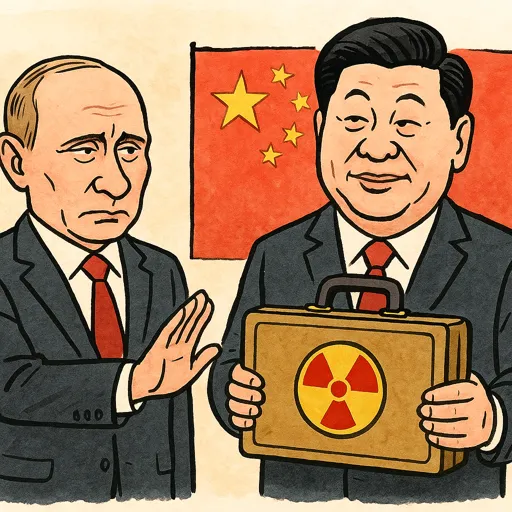
Russia and China presented a synchronized diplomatic push at APEC and in Shenzhen, casting their partnership as a pillar of regional stability and a driver of a multipolar world. Leaders framed their cooperation as a counterweight to Western policies, criticizing protectionism and sanctions while underscoring their role in setting the summit agenda. At the same time, Moscow staged a conspicuous display of its nuclear command briefcase in China, a symbolic signal of strategic resolve. Bilateral talks and summit rhetoric emphasized deeper economic ties and coordinated diplomatic influence across the Asia‑Pacific.
Beijing and Moscow are advancing a narrative of joint leadership, urging a multipolar order and regional unity to withstand global economic and geopolitical 'storms.' They portray their strategic partnership as stable and central to shaping APEC and the Shenzhen summit agenda, while pushing back against Western protectionism and sanctions. High‑level talks and public statements stress strengthened economic ties and coordinated diplomacy.
Russian coverage highlighted the transport and on‑stage presence of the presidential nuclear briefcase in China as deliberate strategic signaling tied to the leaders' meetings. Reporting framed the briefcase’s display as a symbolic demonstration of deterrence and power projection linked to Moscow’s diplomatic posture in the region. Observers read the imagery as complementing rhetoric about partnership and influence rather than as a specific policy change.