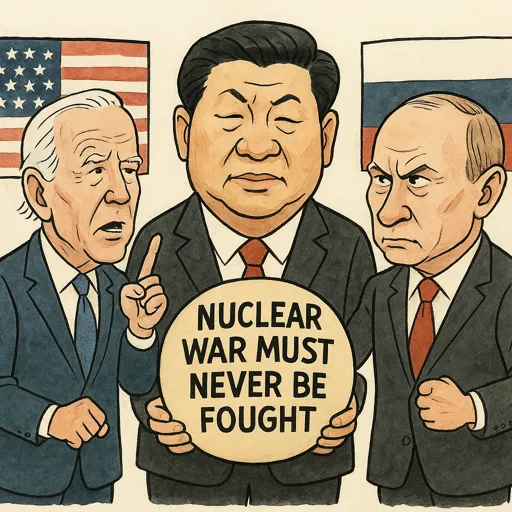
The United States, China and Russia are actively competing to shape a revised global order through high-profile summits, public declarations and strategic signalling. Trilateral encounters produced headline statements—most notably a joint assertion that nuclear war must never be fought—but few binding commitments, leaving substantive verification and policy follow-through uncertain. Moscow’s escalatory rhetoric and military deployments contrast with Beijing’s push for parity with the United States and closer Russia ties, prompting regional hedging from allies and partners. Domestic politics and economic measures in Western capitals are reinforcing rivalry dynamics, as states combine diplomacy, deterrence and trade policy to influence outcomes.
Summit meetings between the US, China and Russia showcased efforts to manage rivalry while revealing limited convergence: leaders convened and issued joint statements, but substantive agreements or binding communiqués were largely absent. Observers note asymmetric dynamics at the table—Xi and Trump tended to shape the agenda more visibly, and the encounters raised questions about multilateral legitimacy given reduced European influence.
Moscow’s public messaging and force deployments—nuclear-capable bombers, hardline rhetoric about revenge, and refusals to negotiate—have heightened tensions and raised fears of escalation. Visual and symbolic signals, along with outreach to break diplomatic isolation and even foreign recruitment, underscore a multifaceted Russian approach to projecting power and sustaining influence.
Beijing is pushing for strategic parity with Washington and deepening ties with Moscow while regional states and security coalitions respond by bolstering deterrence and aligning diplomatically. The Quad’s warnings, Taiwan’s precarious position, arms purchases by regional militaries, and debates about China’s partnerships reflect how competition is reshaping the Indo‑Pacific security architecture.
European capitals are navigating the fallout from great‑power manoeuvres with a focus on unity, solidarity with Ukraine and criticism of any perceived rapprochement among major powers. Public protests, political rebukes, attacks on diplomatic sites, and concerns about Crimea underscore how the Russia–West confrontation continues to drive European security policy and domestic debate.
Domestic political dynamics in the US and allied countries are shaping policy choices that affect great‑power competition, from proposed bans on Chinese goods to skeptical views about negotiating arms limits with rivals. Political rhetoric, electoral considerations and activist voices are driving tougher economic and security measures as part of broader efforts to contain influence and safeguard strategic industries.