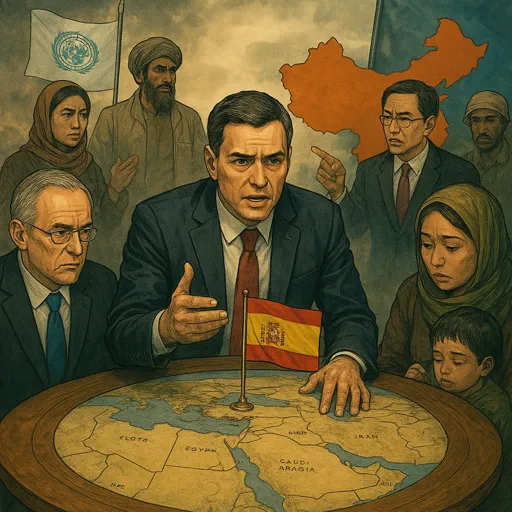
Spain is advocating multilateral diplomacy as the primary route to de‑escalate global conflicts and to strengthen unity among Western allies. World leaders at summits and regional actors are emphasizing dialogue, restraint and inclusive negotiation formats while critics warn that exclusive arrangements like a 'Yalta' model would fail. Simultaneously, grassroots and UN‑led initiatives focus on prevention, rehabilitation and local conflict management as necessary complements to high‑level diplomacy. Regional flashpoints in the Middle East and North Africa, and China’s push for south‑south cooperation and respect for sovereignty, show competing diplomatic approaches that multilateral forums must reconcile.
Chinese leadership and affiliated media stress south–south cooperation, sovereign equality and dialogue as pillars of international engagement. Public gestures and forums are presented as part of building a more inclusive global order and deepening information and diplomatic ties.
European leaders and commentators argue that proposed 'Yalta'/'Jalte' formats would exclude key stakeholders and are unlikely to produce durable peace. They call for broader European participation and more inclusive negotiation frameworks to resolve crises such as the war in Ukraine.
APEC leaders publicly pressed for an end to hostilities, challenged major actors and issued a peace declaration committing to dialogue to reduce nuclear risks. Those high‑level statements signal coordinated multilateral pressure to lower tensions and prevent strategic miscalculation.
European diplomats and public groups are urging concrete steps such as ceasefires, rehabilitation and inclusive negotiations to achieve lasting de‑escalation. This domestic and diplomatic pressure reflects a wider Western consensus on the need for practical measures to stabilize conflict zones.
Developments in the Middle East and North Africa — from Morocco’s diplomatic choices to Polisario warnings and Saudi condemnations of Israeli actions — highlight persistent regional flashpoints. These disputes underscore the need for multilateral mediation and respect for sovereignty to avoid escalation.
Local and UN‑supported initiatives such as transhumance mediation, combatant rehabilitation and resource‑governance dialogues focus on prevention and reintegration as foundations for durable peace. Moral and diplomatic appeals, including those from religious leaders, reinforce the value of investing in long‑term stability alongside summit diplomacy.
Preparations for international meetings — including equipment and transport provisioning for CHOGM — highlight the practical, logistical work that enables sustained multilateral engagement. Such readiness supports the platforms where diplomatic de‑escalation and coalition‑building occur.