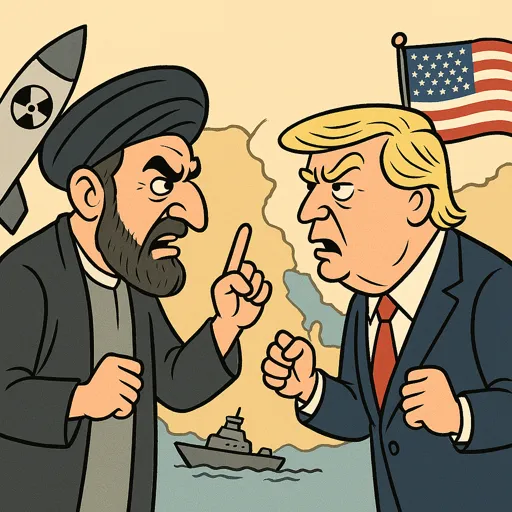
Iran’s public stance toward U.S. leadership is overtly defiant, mixing military boasts, nuclear red lines and calibrated diplomatic openness in ways that sustain confrontation. Tehran and the IRGC repeatedly claim strikes or expanded missile reach while setting strict conditions for any talks, even as mediators offer formulas to bridge gaps. Washington answers with intensified sanctions, coalition-building around the Strait of Hormuz and stark public warnings from senior officials, keeping energy markets and regional partners on edge. The interplay of rhetoric, economic pressure and contested incidents increases the risk of miscalculation and prolongs regional instability.
Iran and allied forces publicly assert operational strikes and threats—ranging from alleged radar destruction and drone attacks to expanded missile reach—portraying resolve to confront U.S. assets and influence in the Gulf. Regional analysts warn these claims raise escalation risks, though naval and security experts sometimes question the veracity of daily boasts.
Tehran loudly frames nuclear talks around firm red lines on enriched uranium and insists sensitive material remain on Iranian soil, while also signalling a pragmatic openness to mediated formulas proposed by regional intermediaries. Iranian officials present this posture as safeguarding sovereignty while keeping a narrow diplomatic path open.
U.S. leaders publicly project a hardline deterrent stance—issuing warnings about so‑called 'dirty bombs' and biological threats, linking outcomes to oil markets, and urging multinational security cooperation to protect the Strait of Hormuz. That assertive messaging aims to shape allied responses and deter Tehran, even as Iran rejects and counters these narratives.
Washington emphasizes sustained financial pressure, arguing sanctions and interdictions on oil exports will compel Tehran toward concessions, while officials tout international coordination to enforce them. The measures have tangible domestic effects in Iran: rising food and energy prices and broader economic strain on ordinary citizens.
Diplomatic and political dynamics—U.S. midterm results, Senate decisions, European calls for de‑escalation and summits with Gulf partners—shape bargaining leverage and response options. Observers remain divided on whether the confrontation will be brief or protracted, with both Washington and Tehran offering competing assessments of endurance and likely trajectories.