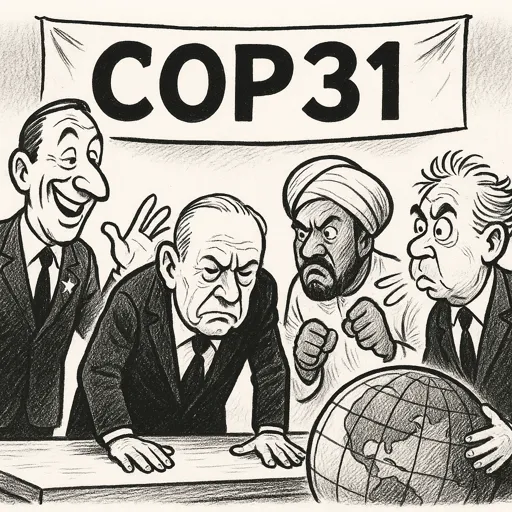
COP31 in Antalya ended without a final agreement after unusually long, overtime negotiations that collapsed over disputed language on fossil fuels and contested commitments on finance and loss and damage. The omission of explicit references to phasing out oil, gas and coal prompted the EU and other parties to reject the text, exposing deep North–South and geopolitical fractures. Delegations and analysts framed the outcome as both a failure of process and leadership and a symptom of wider tensions between energy transition imperatives and economic or strategic priorities. While the summit produced some bilateral and sectoral cooperation, the breakdown raises urgent questions about how to reform UN climate diplomacy to bridge divides and deliver meaningful action.
Multiple outlets report that after marathon talks and long extensions COP31 concluded without a joint closing statement or binding political agreement, reflecting a breakdown in consensus. Observers described chaotic final hours and warned that the lack of a final text will stall momentum for global climate policy and coordinated action.
A central fault line was the draft text’s omission of explicit fossil-fuel phase-out language, which led the EU, Panama and others to reject the accord and precipitate the collapse. Many reports and analyses identify the fossil-fuel dispute as the proximate cause of the impasse and as emblematic of deeper disagreements over ambition and timelines for the energy transition.
European governments and institutions publicly rejected the draft agreement as inadequate, framing their vetoes as acts of responsibility and sovereignty and stressing the need for clearer fossil-fuel commitments. Coverage also highlights critiques directed at European actors over funding choices and negotiation conduct, illustrating fractures even within Western coalitions.
Commentators and analysts framed COP31’s outcome as evidence of an exhausted or weakened multilateral diplomatic system, pointing to procedural obstacles, lack of decisive leadership and years-long trends that eroded trust. Several pieces argue that institutional reform, new negotiating formats or renewed political will will be required to prevent repeat failures.
Pacific island states, developing countries and activists highlighted unresolved demands on climate finance, loss and damage, and calls for stronger action, while staging protests and pushing for more justice in negotiations. Despite the collapse, some signings and bilateral initiatives — such as solar projects and energy studies — showed continuing avenues for cooperation outside the failed plenary deal.
Reports indicate that geopolitical bargaining — over issues ranging from Russia’s and Ghana’s objections to side negotiations involving Ukraine — complicated consensus-building and shaped final positions. Several accounts place these strategic disagreements alongside technical disputes, underscoring how geopolitical rivalry intersected with climate diplomacy at Antalya.
Interviews, leader statements and retrospectives captured both defensive explanations of national approaches (for example, calls for gradual transitions) and broader reflections on the conference’s failures. Some commentators argued the fiasco could catalyse change, while others warned it represented a lost year for collective climate action.