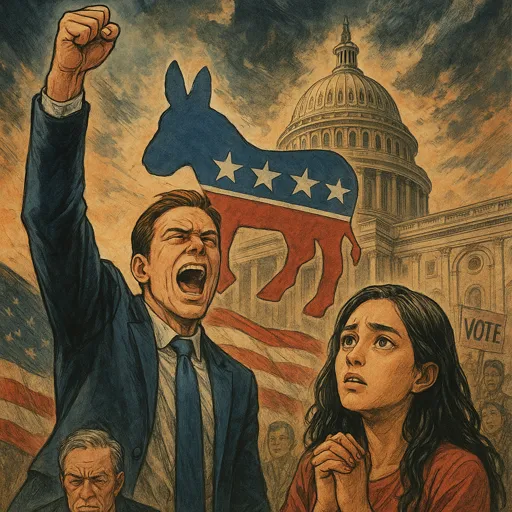
In the U.S. midterms Democrats captured control of both chambers of Congress, securing 258 House seats—their largest tally since 1992—and flipping the Senate. The result is widely framed as a historic rout and a major setback for former President Trump, shifting the balance of power in Washington. Narrow races and recounts, such as the contested North Carolina seat, underscored how close some contests remained and the importance of procedural resolution. The outcome reverberated beyond politics, prompting market volatility and raising expectations and anxieties among immigrant communities about future policy directions.
Multiple outlets emphasize that Democrats won 258 House seats—their highest total since 1992—giving the party its largest majority in decades and a strong hand in shaping the legislative agenda. Coverage notes the scale of the victory and the pressure on Democratic leaders to convert the mandate into policy wins while managing internal expectations.
Several reports frame the midterms as a historic setback for Donald Trump, portraying Democratic control of Congress as a blow to his influence and political momentum. Analysts discussed how the outcome could curb Trump-aligned priorities and reshape party strategy ahead of future contests.
Coverage of the North Carolina recount highlights the razor-thin margins that decided at least one seat and the central role of recount procedures in resolving contested outcomes. Observers pointed to such tight contests as pivotal in determining the overall balance of power in Congress.
Commentary from migrant advocacy perspectives casts the Democratic victory as a source of hope for undocumented communities, with expectations of more sympathetic policymaking. At the same time, reports stress uncertainty about what specific legislative changes will be possible given the broader political dynamics.
Economic coverage links the Democratic takeover to sharp market movements, reporting a cumulative $6 trillion decline in market value and highlighting investor anxiety over policy uncertainty. Analysts offered competing interpretations, debating whether political shifts or other economic factors were driving the sell-off.