
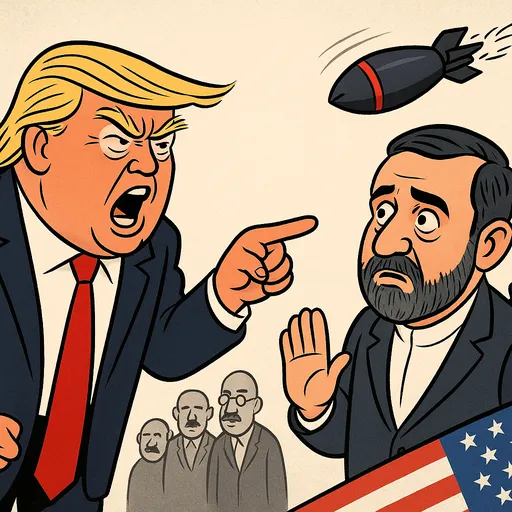
Recent reporting depicts a tense two-track dynamic in US–Iran diplomacy: President Trump publicly says he will continue talks with Iran while declaring the ceasefire over and issuing stark threats of overwhelming retaliation if attacked. Iranian officials, including Abbas Araghchi, insist Tehran has honored its commitments and many Iranian sources deny requesting renewed direct talks, even as hardliners warn against negotiating under threat. Washington has increased pressure through fresh sanctions and demands — including public guarantees on safe navigation in the Strait of Hormuz — while mediators and technical teams attempt to keep channels open. Analysts caution the pause may have been tactical rather than durable and warn that intelligence reports of assassination plots and aggressive rhetoric heighten the risk of miscalculation that could derail negotiations.
The U.S. presidential line emphasizes readiness to resume negotiations while insisting the interim ceasefire has ended. Public statements combine offers to talk with explicit threats of overwhelming military retaliation, shaping a coercive negotiating posture and raising the stakes for any misstep.
Iranian leaders frame the situation as one in which Tehran has kept its commitments and rejects claims that it sought renewed direct negotiations. Iranian officials and parliamentary voices stress compliance and warn that negotiations cannot proceed under persistent threats, signaling distrust of U.S. intentions.
Regional mediators — notably Qatar and other Gulf and international actors — are urging restraint and working to salvage the memorandum and prevent a return to open conflict. These actors emphasize diplomacy, shuttle talks and practical confidence‑building as the most viable means to stabilize the situation.
Washington is applying leverage through fresh sanctions and explicit demands, such as public guarantees on the Strait of Hormuz and other assurances it sees as prerequisites for progress. U.S. officials portray Tehran's internal divisions and failure to meet conditions as obstacles to a final agreement.
Reports of alleged Iranian plots and intelligence warnings from regional partners have amplified security concerns and fed an atmosphere of threat. Such allegations complicate diplomacy by hardening attitudes and increasing incentives for retaliatory posturing.
Commentators and analysts highlight a recurring pattern of sanctions, threats and episodic dialogue, arguing that pauses may be tactical rather than a durable truce. Many pieces warn that options for both capitals are constrained and that miscalculation in a tense environment could quickly unravel diplomatic efforts.
Despite public rhetoric, technical‑level talks and a memorandum framework persist, with reports of technical groups reconvening and symbolic agreements aimed at halting wider conflict. These lower‑profile channels and signed memoranda are portrayed as the practical avenues keeping diplomacy alive.