
World leaders engaged in a wide sweep of bilateral and multilateral talks this period, balancing alliance cohesion, regional mediation, and strategic signaling. NATO diplomacy featured prominently, with debates over alliance unity, unusual ceremonial gifts and Turkey’s push to lift defense restrictions shaping headlines. In Asia and the Middle East, China reinforced partnerships while Gulf and Iranian diplomacy leaned on Oman and Qatar as mediators to reduce maritime and regional tensions. Regional blocs from CARICOM to Pacific island states and African actors advanced cooperative responses to governance, security and economic pressures, even as debates over sanctions, embargoes and peace processes continued to complicate negotiations.
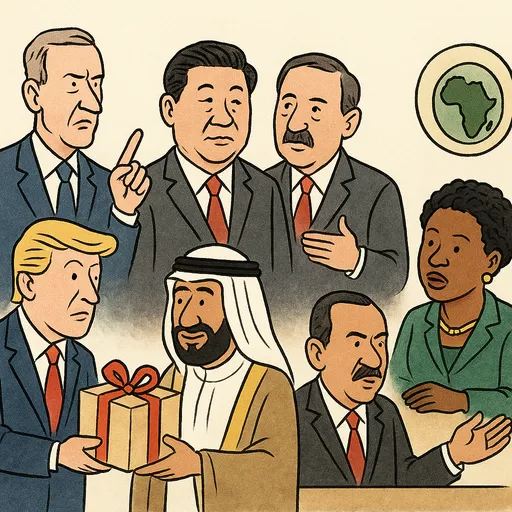
Turkey is asserting a transactional, high‑profile diplomatic posture within NATO, pressing allies to lift defense restrictions while using symbolic gestures that drew attention and debate. The cluster highlights how Ankara leverages summit diplomacy to advance defense cooperation, address sanctions and influence alliance cohesion amid divergent member positions.
Beijing is pushing a narrative of openness and partnership while reinforcing strategic ties, from North Korea to SCO enlargement, and framing technological and security concerns with Russia and other partners. The perspective emphasizes China’s diplomatic activism to shape regional institutions and global governance agendas.
Regional diplomacy is focused on de‑escalation around the Strait of Hormuz and broader Gulf security, with Oman and Qatar acting as interlocutors and states weighing the effects of strikes on monitoring and verification. Stakeholders emphasize talks as necessary to preserve navigation, reduce tensions and manage IAEA oversight challenges.
Pakistan is positioning itself as an active mediator on multiple regional issues, engaging Washington and regional actors to help broker conflict‑management initiatives. The viewpoint stresses Islamabad’s intent to sustain diplomatic channels and offer facilitation in volatile theatres.
Southeast Asian diplomacy reflects efforts to re‑engage contested or sidelined actors and deepen bilateral ties, even as regional security talks shift amid great‑power competition. ASEAN meetings, high‑level exchanges and border tensions illustrate the bloc’s delicate balancing act between inclusion and pressure for norms.
Caribbean leaders are coordinating regionally to defend economic instruments, support electoral processes, and engage international partners on security and governance. The cluster underscores the region’s emphasis on collective responses and institutional diplomacy.
Havana and sympathetic partners continue to press at the UN and other forums for an end to the U.S. embargo, framing the policy as unjust and harmful to civilian welfare. China’s public support and domestic Cuban commentary reinforce the diplomatic push for delisting and sanctions relief.
Regional actors — including Turkey, France, Egypt and mediators — are prioritizing dialogue to stabilize Syria, advance ceasefire arrangements in Gaza, and support Lebanon’s negotiations. The perspective reflects both diplomatic outreach and the fragility of security on the ground, underscored by violent incidents during high‑level visits.
Voices from Belarus, Poland, Lithuania and Kyiv‑aligned analysts reveal strains across alliances and domestic political pressures that complicate regional security cooperation. The cluster highlights divergent views on negotiations with Russia, intra‑alliance trust, migration pressures, and Kyiv’s relations with neighbors.
European politics and accession dynamics are back in the spotlight as member states debate rule‑of‑law compliance, recovery funding, and fast‑track accession ambitions. The perspective stresses balancing domestic reform agendas with broader European strategic and diplomatic priorities.
African states and regional bodies are engaged in peace process oversight and security commitments, expressing concern over peace‑deal amendments and coordinating responses to cross‑border tensions. The cluster emphasizes diplomatic consultation to preserve gains and manage instability.
Pacific leaders and former officials are warning of intensifying geopolitical pressure and are promoting treaty commitments like the CTBT to uphold regional stability. The perspective underscores island states’ push for collective security and neutrality amid external competition.
Central Asian authorities are maintaining direct lines with U.S. lawmakers and presidents to advance energy, security and bilateral ties, signaling pragmatic engagement across Washington and regional capitals. These exchanges reflect steady efforts to shape cooperation without dramatic public outcomes.
Regional and international actors are publicly urging respect for electoral results and peaceful transitions in Colombia and across the hemisphere, stressing democratic norms and orderly handovers as central to regional stability. The cluster highlights coordinated international appeals and monitoring efforts.