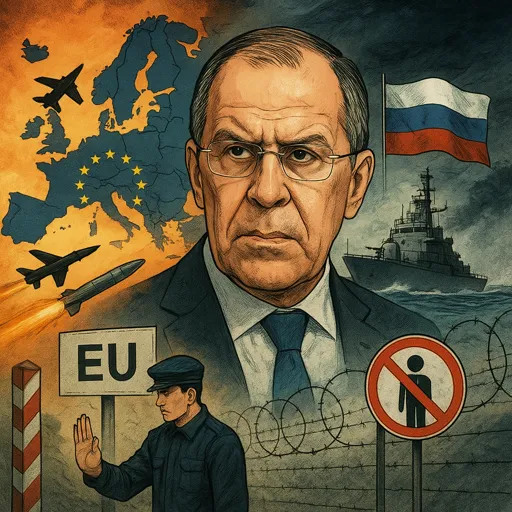
Lavrov’s comment encapsulates a broader pattern of strained Russia–Europe ties: diplomatic outreach sits uneasily alongside sharper military and security incidents. Airspace violations, missile and drone crashes, and maritime attacks in the Baltic and Finnish waters have prompted firm NATO and national responses and raised fears of miscalculation. EU members are moving toward tighter travel controls, border closures and expanded sanctions lists as political pressure tactics. Bilateral disputes over visas, expulsions and accusatory rhetoric show a tit-for-tat dynamic that complicates any genuine negotiating posture. Overall, the coverage portrays a fragile mix of public diplomacy and hardened stances that keeps real negotiations tentative at best.
European coverage treats recent crashes and incursions into Polish territory as deliberate provocations that heighten regional alarm and test alliance cohesion. Leaders like Mark Rutte stress that NATO will defend every inch of allied territory, projecting unity and deterrence amid concerns of escalation.
Reports from the Baltic and Finland highlight a string of dangerous incidents—drone strikes on ships, a burning freighter in Finnish waters, and a helicopter breaching airspace—that underscore fragile maritime and aerial security. Authorities and commentators frame these events as volatile, developing crises that increase the risk of miscalculation between Moscow and its neighbors.
Several EU members are pushing for tougher entry rules, travel curbs and even full border closures in response to security concerns, while Brussels prepares a record-sized sanctions list. This cluster reflects a Western strategy of tightening political and economic pressure on Russia as a complement to defensive measures.
Russia has publicly protested Romania’s refusal to issue visas to youth athletes and summoned the Romanian ambassador, casting such measures as hostile or ‘Russo-phobic.’ These disputes show how cultural and sporting contacts have become arenas for diplomatic confrontation.
The Kremlin pairs outreach—inviting European leaders to Moscow—with uncompromising stances such as rejecting NATO-style guarantees and endorsing provocative narratives, including support for alleged plots. That mix of engagement and aggressive messaging signals a confrontational negotiating posture despite ostensible openings for talks.
Allied warnings, expulsions of diplomats and high-level commentary from officials and profiles of leaders underscore a sense that pressure on Russia will continue and that personal diplomacy is being tested. Incidents near embassies and public admonitions from former officials illustrate the broader climate of mistrust shaping bilateral relations.