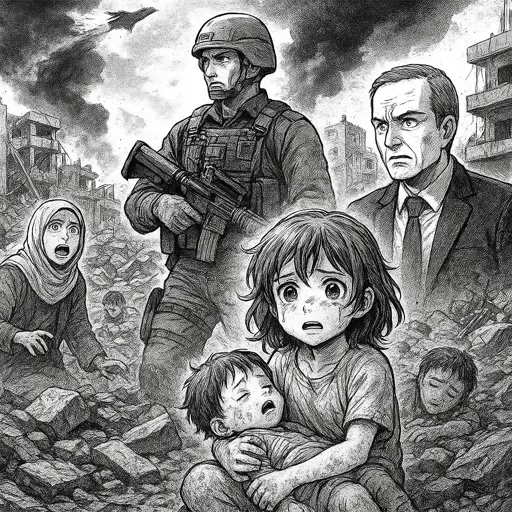
Recent Israeli strikes in Gaza have killed a senior Hamas internal security commander and numerous civilians — including aid workers and children — deepening humanitarian suffering and undermining a fragile ceasefire. The strikes have prompted international concern, with calls for unfettered humanitarian access and allegations from UN investigators of possible deliberate attacks on children. Diplomatic pressure is mounting as regional tensions risk widening, with live clashes and strained relations involving Israel, the United States, and Iran. Domestic political strains and settler-related violence add another layer of instability, complicating prospects for de-escalation and aid delivery.
Multiple outlets report that Israeli airstrikes killed a senior Hamas internal security chief, framed by Israeli sources as a strike against militant infrastructure while others warn it risks further escalation and undermining of the ceasefire. The killings are presented as a significant blow to Hamas’ security apparatus but also heighten the potential for retaliatory violence across Gaza and the wider region.
Reports detail continuing civilian casualties from Israeli strikes, including children and UN/UNRWA personnel, and incidents harming aid deliveries and civilian infrastructure, underscoring a deepening humanitarian emergency. Despite the destruction, human stories of resilience appear alongside urgent calls for better humanitarian access and protection of aid workers and civilians.
Western and international actors are voicing alarm — the UK condemns Israel’s blockade, the EU urges easing aid restrictions, and a UN inquiry accuses Israel of deliberately targeting children, increasing diplomatic pressure for accountability. Regional dynamics and live updates on clashes involving Israel, the US, and Iran, together with Israeli domestic political disputes over settler violence, amplify the risk of broader instability.